“Is Aruba in the hurricane belt?” “What about Barbados?” “Is Costa Rica safe from hurricanes?” If you’ve been bouncing between a dozen different search results trying to piece together which Caribbean islands actually dodge hurricane season, this is the single, complete answer — every major island ranked by actual risk level, not just a vague “the south is safer” hand-wave.

Quick Answer: Every Island, Ranked by Risk
| Island / Country | Hurricane Risk Level | Why |
|---|---|---|
| Aruba | Lowest — outside the belt | Sits just north of Venezuela, below the latitude where hurricanes typically sustain themselves |
| Bonaire | Lowest — outside the belt | Same southern geography as Aruba; the least populated and quietest of the ABC islands |
| Curaçao | Lowest — outside the belt | Same protective latitude as Aruba and Bonaire |
| Trinidad and Tobago | Very low | Sits even further south than the ABC islands, right off the Venezuelan coast |
| Barbados | Low-moderate — southeastern edge of the belt | More exposed than the ABC islands, less exposed than the northern Caribbean |
| Grenada | Low-moderate — southern edge of the belt | Historically lower strike rate than the north, but not immune (hit directly by Hurricane Ivan in 2004) |
| St. Vincent & the Grenadines | Low-moderate | Similar southern positioning to Grenada and Barbados |
| San Andrés & Providencia (Colombia) | Low-moderate | Far southwestern Caribbean, generally bypassed by the main storm corridor |
| Costa Rica (Caribbean coast) | Low, but not zero | Sits south of the primary hurricane track, though tropical storms and heavy rain still occur |
| Puerto Rico, Dominican Republic, Jamaica, and the northern Caribbean generally | High — squarely within the belt | Directly in the path most Atlantic hurricanes travel |
Understanding What “The Hurricane Belt” Actually Means
The phrase “hurricane belt” sounds like it should be a fixed line on a map, but meteorologists actually describe it as a zone: the Main Development Region (MDR), roughly between 10 and 20 degrees north latitude, stretching from the West African coast across to the Lesser Antilles. Hurricanes that form in the eastern Atlantic overwhelmingly track westward and then curve north, which is exactly why islands sitting at the southern edge of that zone, or below it entirely, see dramatically fewer direct hits than islands sitting at its center. The ABC islands — Aruba, Bonaire, and Curaçao — sit at roughly 12 degrees north, just north of Venezuela, putting them at the very margin of where the atmospheric conditions hurricanes need to sustain themselves can even develop.
The ABC Islands: As Close to Hurricane-Proof as the Caribbean Gets
Aruba, Bonaire, and Curaçao consistently top every credible ranking of low-hurricane-risk Caribbean destinations, and for the same underlying geographic reason: their position just north of Venezuela places them south of where most hurricanes gain and sustain the intensity needed to become a real threat. Among the three, reviewers commonly note Aruba as the most reliable choice with the lowest average rainfall, Curaçao as offering the strongest combination of culture and beaches, and Bonaire as the best pick for diving and the quietest, least crowded of the three.
Barbados and Grenada: Lower Risk, Not Zero Risk
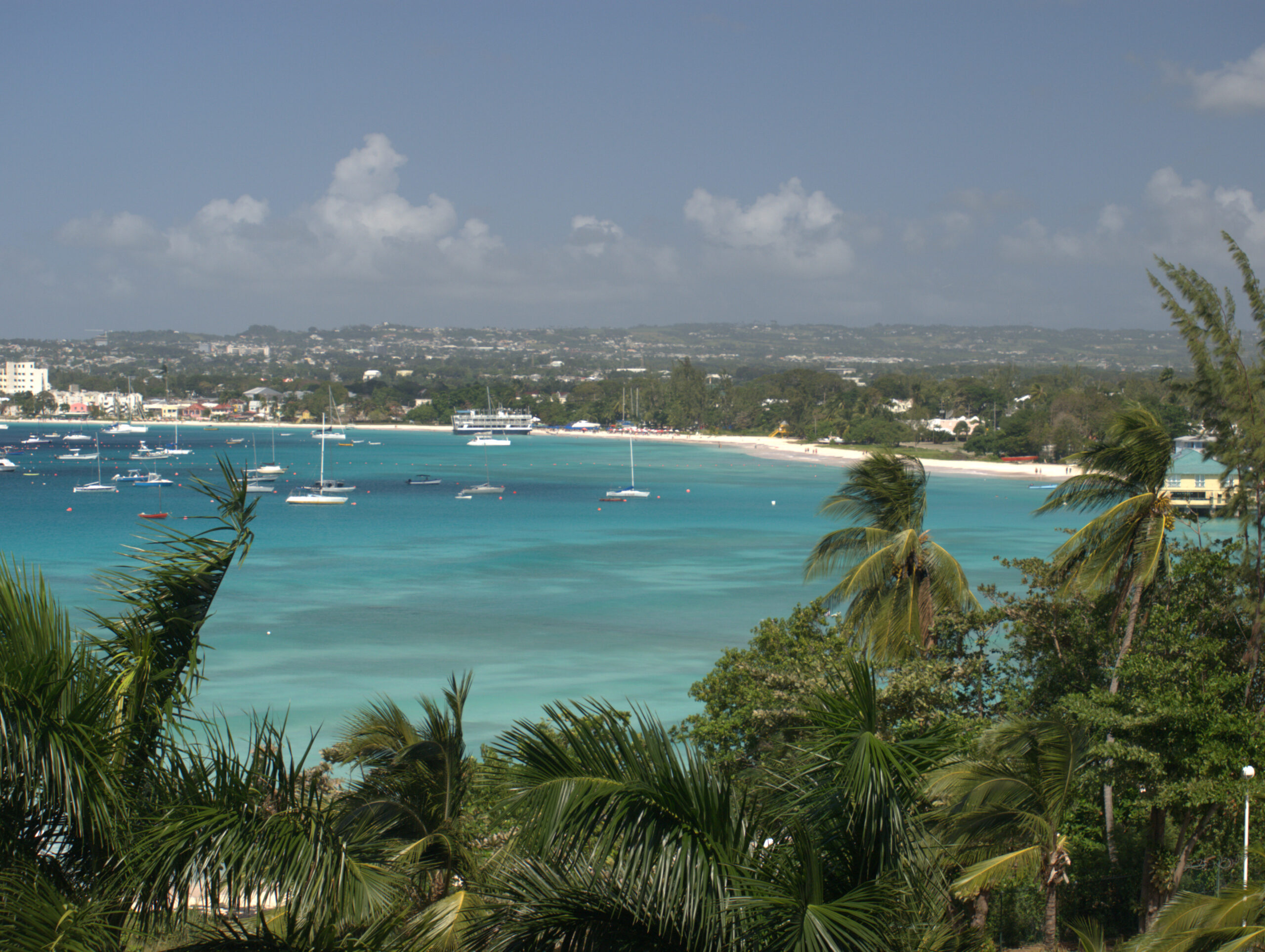
This is the distinction that gets flattened in a lot of quick “safe islands” lists, and it’s worth being precise about: Barbados and Grenada sit at the southern or southeastern edge of the hurricane belt, not outside it entirely. They carry meaningfully more risk than the ABC islands, but meaningfully less than the northern Caribbean. Grenada took a direct hit from Hurricane Ivan in 2004 — a serious, damaging storm — and felt effects from Hurricane Beryl in 2024. That history doesn’t make Grenada a poor choice; it makes it a different risk category from Aruba, Bonaire, and Curaçao, and travelers weighing hurricane risk carefully deserve that distinction rather than blanket reassurance that lumps every “southern” island together. Barbados has historically been hit less often than Grenada, but sits in the same general geographic zone and deserves the same nuanced treatment.
What About Trinidad and Tobago?
Trinidad and Tobago sits even further south than the ABC islands, tucked right off Venezuela’s northeastern coast, and carries a correspondingly very low hurricane risk — among the lowest of any populated Caribbean destination. It’s worth noting separately that the US State Department has issued Trinidad a Level 3 “Reconsider Travel” advisory for reasons unrelated to hurricanes, specifically citing crime and other security concerns, so hurricane safety and overall travel safety are two different questions worth checking independently before booking.
Is Costa Rica Safe From Hurricanes?
Costa Rica’s Caribbean coast sits south of the Main Development Region’s most active corridor, which keeps direct hurricane strikes considerably rarer here than in the northern Caribbean or Gulf of Mexico. That said, “rarer” isn’t “never” — Costa Rica’s Caribbean side still experiences tropical storms, heavy rainfall, and occasional flooding during the June-November wet season, even when a full hurricane doesn’t make landfall directly. It’s a genuinely lower-risk choice than Puerto Rico or the Dominican Republic, but not a hurricane-free guarantee.
Why the Northern Caribbean Sees the Worst of It
Eastern Caribbean islands like Puerto Rico and Dominica, along with the Dominican Republic, Jamaica, and the broader northern Caribbean, sit squarely within the most active part of the hurricane belt — meteorologists sometimes call this the “frontline,” since storms crossing this zone are most frequent and, moving further west, often intensify from Category 1-2 into Category 3-5 systems by the time they reach the Gulf Coast. This is the geography behind the advice repeated throughout this guide: distance from this specific corridor, more than any other single factor, determines a Caribbean destination’s realistic hurricane exposure.
Booking a Trip to a Lower-Risk Island
| Need | Where to Book |
|---|---|
| Flights (Aruba, Curaçao, Barbados, Grenada) | Google Flights, JetBlue, American Airlines |
| Resorts and hotels | Booking.com, Expedia |
| Diving trips (Bonaire specifically) | PADI dive shop directory |
| Travel insurance with weather coverage | Travel Guard, GeoBlue |
Frequently Asked Questions
Is Aruba in the hurricane belt?
No — Aruba sits south of the hurricane belt’s primary zone, just north of Venezuela, making it one of the lowest-risk Caribbean destinations for hurricanes.
Is Barbados in the hurricane belt?
Barbados sits at the southeastern edge of the hurricane belt rather than fully outside it, carrying more risk than the ABC islands but less than the northern Caribbean.
Is Costa Rica in the hurricane belt?
Costa Rica’s Caribbean coast sits south of the most active hurricane corridor, making direct hits rare, though tropical storms and heavy rain still occur during the wet season.
Which Caribbean islands are completely outside the hurricane belt?
Aruba, Bonaire, Curaçao, and Trinidad and Tobago sit furthest outside the belt’s main development region, with San Andrés and Providencia also generally bypassed by the primary storm corridor.
Is Grenada safe to visit during hurricane season?
Generally yes, with real caveats — Grenada’s historical strike rate is much lower than the northern Caribbean, but it was directly hit by Hurricane Ivan in 2004 and felt Hurricane Beryl’s effects in 2024, so it isn’t risk-free.
Key Takeaways
- The ABC islands — Aruba, Bonaire, and Curaçao — carry the lowest hurricane risk of any populated Caribbean destination, along with Trinidad and Tobago.
- Barbados and Grenada sit at the edge of the hurricane belt, carrying real but reduced risk compared with the northern Caribbean.
- Costa Rica’s Caribbean coast sees rare direct hurricane hits but is not entirely immune to tropical storms and heavy rain.
- The northern Caribbean — Puerto Rico, the Dominican Republic, Jamaica — sits squarely in the hurricane belt’s most active corridor.
- “Outside the hurricane belt” and “edge of the hurricane belt” are genuinely different risk categories worth distinguishing before you book.