Tonight is the night. The Perseid meteor shower — widely considered the best of the year — peaks in the hours between August 12 and 13, 2026, and this year comes with a rare bonus: a new moon means completely dark skies right when the shower is at its most active. Under those conditions, a genuinely dark location can deliver 50 to 100 meteors an hour. The catch is that “genuinely dark” rules out most backyards. Here’s where to actually go tonight, and in the nights just after, to see it properly.

Quick Answer: Tonight’s Viewing Details
| Fact | Detail |
|---|---|
| Peak night | August 12–13, 2026 |
| Best viewing window | After 11 p.m. local time, improving through the night, peaking just before dawn |
| Expected rate (dark sky) | 50–100 meteors per hour under ideal conditions |
| Moon phase | New moon — no moonlight interference this year, a genuinely rare and favorable alignment |
| What to look for | Fast, bright streaks, occasional fireballs, radiating from the constellation Perseus (though visible anywhere in the sky) |
| Shower duration | Active mid-July through late August, with the peak night by far the best |
Why This Year’s Peak Is Genuinely Special
Meteor showers happen every year, but the viewing conditions don’t always cooperate — a bright moon can wash out all but the brightest meteors, cutting the visible rate dramatically. This year, the Perseids peak lines up with a new moon, meaning the sky stays as dark as it naturally gets during the shower’s most active hours. Astronomers describe this specific combination — peak night plus new moon plus (for many observers) clear summer weather — as one of the best viewing setups in years. It’s the kind of alignment that doesn’t happen every August, which is exactly why dark-sky destinations are seeing a real spike in interest this week.
The Rule That Actually Matters: Get Away From Light Pollution
Light pollution is, by a wide margin, the single biggest factor separating a mediocre meteor shower experience from a genuinely spectacular one. A backyard in a well-lit suburb might show you a handful of the very brightest meteors each hour; the same night, from a certified dark-sky location, can show you ten times that. You don’t need a telescope or any special equipment — just your eyes, patience, and roughly 30 minutes for your eyes to fully adjust to the darkness once you arrive.
Best US Dark-Sky National Parks for Tonight
| Destination | Why It Works |
|---|---|
| Death Valley National Park, California/Nevada | A certified International Dark Sky Park with some of the darkest skies in the US; head to Mesquite Flat Sand Dunes, Badwater Basin, or Zabriskie Point |
| Great Basin National Park, Nevada | Remote, minimal light pollution, one of the most consistently dark skies in the National Park System |
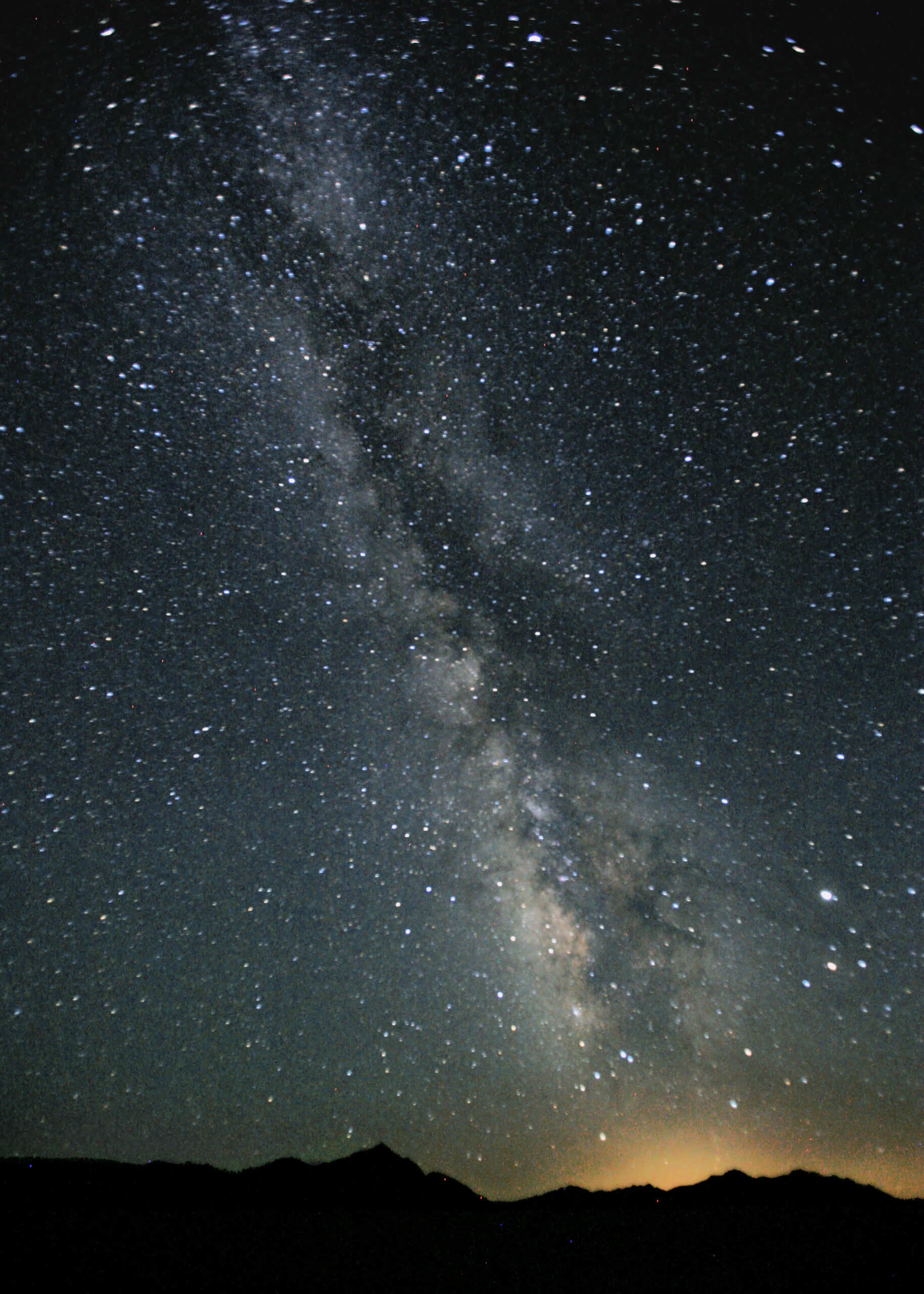
| Big Bend National Park, Texas | Spans over 15,000 square miles with minimal surrounding development, exceptional Milky Way visibility |
| Rocky Mountain National Park, Colorado | High elevation and distance from major towns keep skies especially clear; Bear Lake or Sprague Lake are easy-access spots, with more ambitious viewers hiking to Dream Lake |
| Utah’s “Big 5” (Arches, Bryce Canyon, Canyonlands, Capitol Reef, Zion) | All five are certified International Dark Sky Parks, giving Utah arguably the best concentration of meteor-viewing national parks in the country |
| Mojave National Preserve, California | Desert darkness within a few hours of both Los Angeles and Las Vegas, making it one of the most accessible true dark-sky destinations for a large population |
What If You Can’t Get to a National Park Tonight?
- Check a light pollution map (like the one at lightpollutionmap.info) for the darkest spot within a reasonable drive of home — you don’t need a national park specifically, just genuine distance from city lights.
- State parks and rural county parks away from metro areas often deliver a surprisingly good view without the drive time of a national park.
- Higher elevation helps, since it puts more of the atmosphere’s haze and moisture below you rather than between you and the sky.
- Face northeast toward Perseus after 11 p.m., though meteors can streak across any part of the sky — the longest, brightest ones often appear well away from the radiant itself.
- Bring a blanket or reclining chair, dress warmer than you’d expect even in August (desert and high-elevation locations cool fast after dark), and skip the phone screen, which resets your night vision.
Practical Trip Planning for a Meteor-Shower Getaway
| Need | Where to Book |
|---|---|
| Last-minute campground or lodge availability | Recreation.gov for national park camping, Booking.com for nearby towns |
| National park entrance passes | NPS.gov — America the Beautiful annual pass covers entry to all sites |
| Guided astronomy programs | Check individual park visitor center pages directly — many run ranger-led night sky programs during peak meteor shower dates |
| Light pollution mapping | LightPollutionMap.info |
| Rental car for a spontaneous drive out of the city | Expedia |
Frequently Asked Questions
What time is the Perseid meteor shower peak tonight?
Viewing improves after 11 p.m. local time and is best from midnight through the pre-dawn hours, when the shower’s radiant constellation, Perseus, climbs highest in the northeastern sky.
Do I need a telescope to see the Perseids?
No — meteor showers are a naked-eye event. A telescope actually narrows your field of view too much; wide-open eyes and a dark sky are all you need.
Why is this year’s Perseid peak considered especially good?
The peak night coincides with a new moon, meaning no moonlight will wash out fainter meteors — a favorable alignment that significantly boosts the visible meteor rate compared with years when a bright moon is up.
What’s the best US national park to see the Perseids?
Utah’s five national parks (Arches, Bryce Canyon, Canyonlands, Capitol Reef, and Zion) are all certified International Dark Sky Parks, giving the state one of the best concentrations of meteor-viewing locations in the country, alongside Death Valley and Great Basin.
Can I still see the Perseids if I miss the exact peak night?
Yes — the shower remains active from mid-July through late August, though meteor rates drop off fairly quickly after the peak, so the next few nights are your best remaining window.
Key Takeaways
- The Perseid meteor shower peaks tonight, August 12–13, 2026, under a new moon that makes for unusually dark, favorable viewing conditions.
- Getting away from light pollution matters more than any other single factor for actually seeing the shower well.
- Death Valley, Great Basin, Big Bend, Rocky Mountain, and Utah’s five national parks are among the best US dark-sky destinations for tonight.
- No equipment is needed beyond your eyes and roughly 30 minutes to adjust to the dark.
- If tonight’s peak doesn’t work out, the shower remains active into late August, just at a noticeably lower rate.